

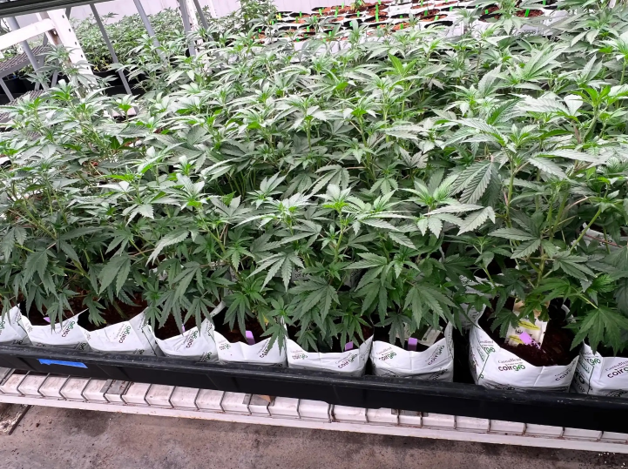
California and Michigan both permit adult-use cannabis, but their home-cultivation rules, local restrictions, climate, housing conditions, and supplier markets are not identical. A responsible buyer should not assume that one state’s approach applies to the other. The safest plan begins with current official guidance, a realistic assessment of available space, and a careful review of any seller offering live plants.
Confirm the State-Level Rules
California’s Department of Cannabis Control states that adults aged 21 or older may grow up to six cannabis plants at home. It also notes that cities and counties may create additional requirements, including permits or rules requiring indoor cultivation. Michigan’s Cannabis Regulatory Agency states that adults aged 21 or older may grow up to 12 plants at home for personal use. These figures are starting points rather than personalized legal advice, and medical or commercial cultivation may follow different rules.
Check the Exact City and Property
State permission does not remove local ordinances, rental restrictions, homeowners’ association rules, fire codes, or electrical requirements. California advises residents to check with their city or county because local governments may impose additional conditions. Michigan also directs residents to become familiar with local rules before beginning a residential grow.
Renters should review the lease before installing lighting, ventilation, irrigation, or security equipment. Homeowners in managed communities should check written property rules.
Treat the Legal Limit as a Maximum
A household does not need to use the full plant allowance simply because the law permits it. Available height, floor space, lighting coverage, ventilation, drainage, electrical capacity, and daily attention should determine the practical number.
A smaller, well-managed group may be safer and easier to monitor than a crowded room operating at the legal maximum. Plant count should reflect both the law and the grower’s ability to maintain stable conditions.
Compare the Supplier Environment
California has a large cannabis market, but buyers still need to screen sellers carefully. People reviewing clones for sale in california may encounter nurseries, retailers, delivery services, directories, and informal listings. More choice increases the importance of verifying plant stage, genetics, business details, and fulfillment policies.
Michigan buyers researching clones for sale in michigan may find different levels of availability depending on location and seller type. In either state, a listing should explain whether the buyer will receive a rooted clone, teen plant, unrooted cutting, or seed.
Identify the Plant Stage
A rooted clone and a larger teen plant have different transport, space, and acclimation needs. A small clone may need more time to establish after delivery, while a teen may require immediate room and stronger support.
Buyers should ask for an approximate size range, container description, rooting medium, and expected condition at fulfillment. Photographs should be treated as examples rather than guarantees that every living plant will look identical.
Review Genetics and Plant Health
A clone should be connected to organized mother-stock records. The supplier should explain whether the plant comes from verified female stock and how labels remain attached through propagation and fulfillment.
Visible foliage is only one part of quality. Buyers should also consider root stability, stem strength, active growth, pest monitoring, sanitation, and the seller’s process for holding back weak plants. Promotional language cannot replace healthy roots and accurate identification.
Plan Transport Around Weather
Young plants can be stressed by heat, cold, direct sunlight, wind, or long periods in a vehicle. California and Michigan have very different seasonal conditions, and locations within each state can also vary.
Containers should remain upright, stems should be supported, and foliage should not be compressed. Plants should not be left on a porch or in a parked vehicle. A direct journey to a prepared receiving area reduces unnecessary exposure.
Prepare a Separate Receiving Area
New plants should be photographed, labeled, and inspected before joining an established collection. Leaves, stems, growing media, and visible roots can be checked for transport damage, pests, unusual spotting, severe wilting, or unpleasant odors.
When practical, a separate observation period gives the buyer time to identify developing symptoms without immediately exposing other plants. Tools and hands should be cleaned between groups.
Consider Electrical and Fire Safety
Indoor cultivation can increase household electricity demand because lighting, ventilation, cooling, pumps, and monitoring equipment may operate for long periods. Michigan’s Cannabis Regulatory Agency warns that a 12-plant residential grow can substantially increase energy demand and advises residents to understand local rules, use licensed electrical help, and confirm that the electrical service can handle the load.
The room should be assessed for circuit capacity, safe wiring, moisture protection, ventilation, and heat removal. Improvised electrical connections should be avoided, and equipment should follow manufacturer guidance.
Match Genetics to the Environment
The legal plant limit does not indicate which genetics will suit a specific room. Buyers should consider expected structure, flowering time, temperature sensitivity, available height, and cultivation method.
A vigorous cultivar may be difficult in a compact indoor area, while a smaller variety may be easier to manage. Outdoor and greenhouse plans should account for local seasonal conditions rather than relying on a description written for another region.
Keep Personal and Commercial Activity Separate
Personal cultivation allowances do not automatically permit sales, distribution, or business activity. Anyone intending to sell plants or cannabis products may enter a separate licensing framework.
The safest approach is to keep personal-use planning separate from commercial assumptions and obtain current information from relevant state and local authorities before undertaking business activity.
Keep Records and Review the Purchase
Save official guidance, order confirmations, plant labels, seller correspondence, delivery photographs, and property approvals. Regulations and supplier policies can change, so a record shows which information supported the original decision.
After the plant has settled, compare the listing with what was received. Note whether size, labels, condition, communication, and fulfillment timing matched expectations.
Conclusion
California and Michigan offer different home-cultivation limits and purchasing environments, but responsible planning in either state begins with the same principles: current legal verification, realistic capacity, safe equipment, healthy plant material, and careful supplier screening.
The key question is whether the plan fits the exact address, property, environment, budget, and legal circumstances. A thoughtful comparison helps buyers remain within applicable rules while creating a safer and more manageable cultivation setup.